When you think of a superhero team, you probably picture capes, gadgets, and a knack for saving the world. In the realm of adult autism, a multidisciplinary assessment team plays a similar role—each member brings a unique skill set, and together they form a formidable force for accurate diagnosis and tailored support. Let’s explore why this collaborative approach is not just helpful but essential, and how it can transform the lives of adults navigating the autism spectrum.
The Challenge of Adult Autism Diagnosis
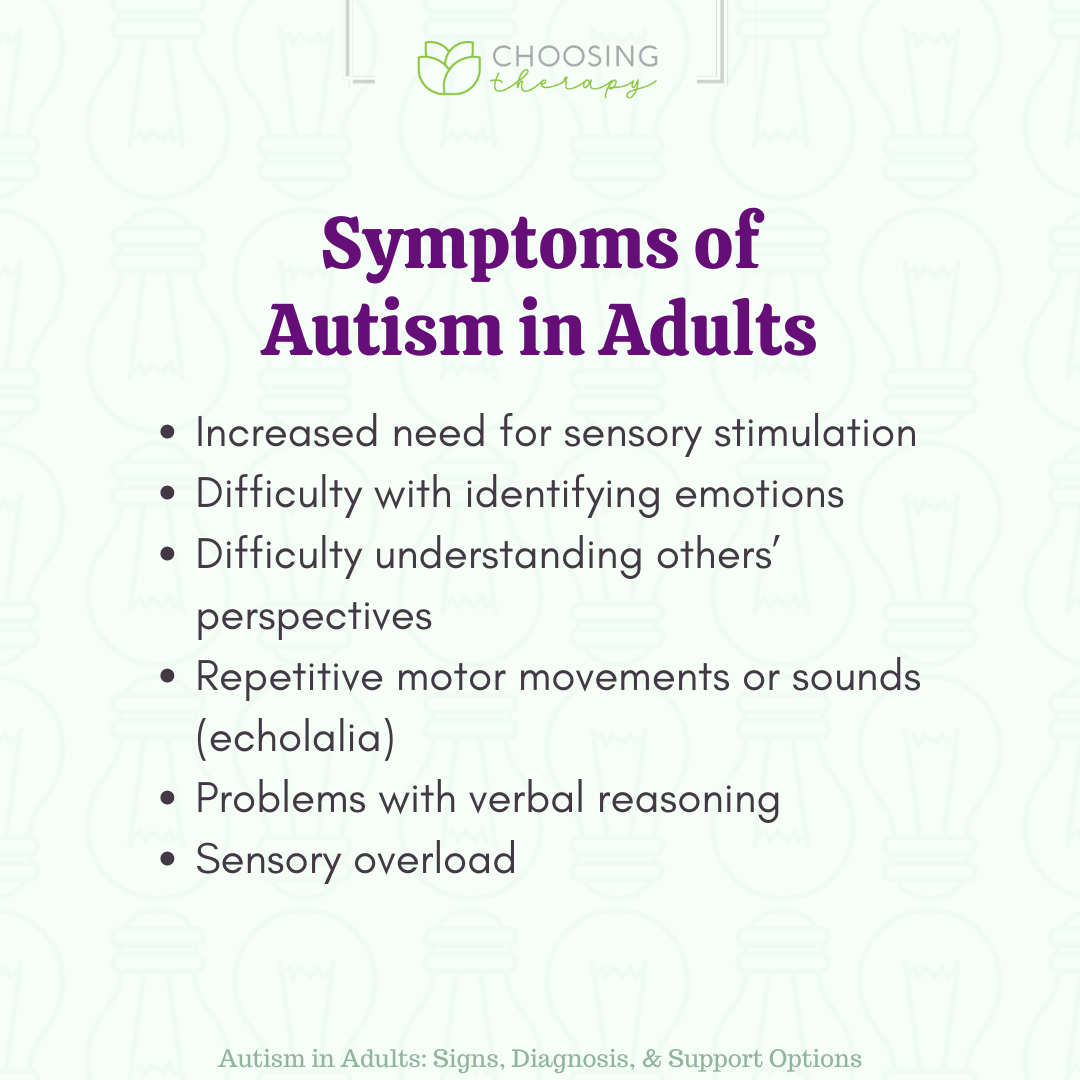
Adults often arrive at the assessment table with a long history of subtle symptoms that have been mistaken for personality quirks, anxiety, or simply a “different” way of doing things. Because autism can manifest differently in adulthood—think social communication nuances, sensory sensitivities, and executive function struggles—no single professional can capture the full picture.
- Complex symptom overlap: Anxiety, depression, ADHD, and autism frequently coexist, making it hard to tease apart the core diagnosis. Variability in presentation: Some adults mask symptoms well; others may exhibit intense sensory sensitivities or rigid routines. Historical gaps: Many adults never received an autism assessment in childhood, leaving them without a formal diagnosis that could guide support.
So, why bring a team to the table? Because each specialist offers a piece of the puzzle that, when combined, creates a comprehensive understanding of the individual’s strengths https://zionuwob829.wpsuo.com/autism-signs-in-children-who-have-difficulty-with-social-interactions-in-the-playground and challenges.
Who Makes Up the Ideal Team?
Clinical Psychologist
A psychologist conducts structured interviews, administers standardized tests, and evaluates cognitive and emotional functioning. Their expertise in developmental history and behavioral analysis provides the backbone of the diagnostic process.
:max_bytes(150000):strip_icc()/autism-definition-symptoms-traits-causes-treatment-5080048_final1-d7037c192b9649a5b3ba340b88d4add5.png)
Neurologist or Pediatric Neurologist
These clinicians rule out neurological conditions that could mimic or coexist with autism. They also assess for comorbidities such as epilepsy, which is more common in autistic adults.
Occupational Therapist
Occupational therapists evaluate daily living skills, sensory processing, and fine motor abilities. They help uncover how autism affects everyday tasks—from cooking to managing finances.
Speech‑Language Pathologist
Even adults with autism may have subtle language or pragmatic communication difficulties. Speech‑language pathologists assess expressive and receptive language, prosody, and social communication.
Psychiatrist
A psychiatrist addresses co‑occurring mental health conditions, offers medication management when necessary, and collaborates on a holistic treatment plan.
Social Worker or Case Manager
They coordinate services, provide resources, and help navigate insurance or employment accommodations. Their role is vital in turning assessment findings into actionable support.
The Power of Collaboration
Imagine trying to read a complex novel in a language you only partially understand. A multidisciplinary team is like having a translator, a critic, a historian, and a stylist all in one room. Each member interprets a different chapter, and together they reveal the full narrative.
1. Accuracy of Diagnosis
When multiple professionals assess the same individual, inter‑rater reliability increases. Divergent perspectives reduce the risk of misdiagnosis—a critical factor when deciding on interventions, accommodations, or support services.
2. Holistic Understanding
Autism is not a single‑dimensional condition. A team can map out how social communication, sensory processing, executive function, and mental health intersect, creating a detailed profile that informs personalized strategies.
3. Strengthening Trust
Adults often feel skeptical about medical evaluations. Seeing a coordinated team, rather than a lone clinician, signals a commitment to Emotional regulation difficulties thoroughness and reduces feelings of being “tested” by a single expert.
4. Streamlined Intervention Planning
With a shared assessment report, each professional can align their recommendations. This synergy prevents contradictory advice and speeds up the transition from diagnosis to intervention.
Anecdote: The “Mysterious” Case of Tom
Tom, a 35‑year‑old software developer, had always been labeled “highly introverted” by his family. He struggled with office politics, had a sensory overload when the office lights flickered, and reported chronic anxiety. A single psychologist noted his executive function challenges but didn’t see a clear autism picture. When a multidisciplinary team evaluated Tom, the occupational therapist highlighted his sensory sensitivities, the speech‑language pathologist identified pragmatic language difficulties, and the psychiatrist recognized a comorbid anxiety disorder. The final diagnosis—high‑functioning autism with co‑occurring generalized anxiety—opened the door to workplace accommodations and a tailored therapy plan. Tom’s productivity and well‑being improved dramatically, proving that a team can uncover hidden layers.
Common Myths Debunked
- Myth: A single assessment is enough.
- Myth: Adults with autism are too “old” for assessment.
- Myth: Multidisciplinary teams are too costly.
Building Your Assessment Team
Start with a primary care provider who can refer you to specialists. Seek a psychologist experienced in adult autism. Add a neurologist if there are concerns about seizures or other neurological issues. Incorporate an occupational therapist for sensory and daily living assessments. Include a speech‑language pathologist if communication difficulties are noted. Consult a psychiatrist for mental health evaluation and medication review. Engage a social worker to help with insurance, job accommodations, or community resources. When assembling the team, consider their communication style and willingness to collaborate. A team that shares notes and co‑creates a unified report is more likely to produce actionable insights.The Bottom Line: A Unified Front for Better Outcomes
> “The whole is greater than the sum of its parts.” – Aristotle
In adult autism assessment, that proverb rings especially true. A multidisciplinary team doesn’t just add expertise; it creates a cohesive, patient‑centered evaluation that respects the complexity of each individual. By pooling knowledge, the team reduces diagnostic uncertainty, enhances treatment planning, and ultimately empowers adults to thrive.
Choosing the Right Crew
When you’re ready to seek an assessment, remember that the right team is your ally. Look for professionals who:
- Share a common goal of accurate diagnosis and supportive care. Communicate openly and provide a unified report. Show empathy and respect for your unique experience.
As you embark on this journey, consider each professional as a vital piece of a puzzle. Together, they form a picture that not only identifies where you stand but also illuminates the path forward.
Ready to take the next step? Reach out to your primary care provider or local autism organization to start building your multidisciplinary assessment team today.