When a toddler starts stacking blocks, the world feels like a playground of possibilities. Yet, for some children, those same blocks can become a maze of patterns and preferences that hint at something different—autism early play behavior differences. This article dives into the subtle signals, offers practical observation tips, and shows how to turn playtime into a powerful tool for early support. No jargon, just clear guidance and a sprinkle of light humor to keep the mood bright.
Understanding Early Play in Children
Play is the language of childhood. Hyperfocus It’s how little explorers test boundaries, practice social cues, and build neural pathways. While every child’s play style is unique, most follow a few developmental milestones:
- Sensorial play (0‑12 months): Exploring textures, sounds, and colors. Object play (12‑24 months): Manipulating toys, stacking, and simple cause‑effect games. Social play (24‑36 months): Turn‑taking, pretend play, and sharing.
These stages are not rigid; they’re more like a river that sometimes takes a detour. When a child’s play deviates from the typical flow, it can be a sign of autism early play behavior differences, but it’s not a diagnosis on its own.
Typical Play Milestones
Parents often look for red flags, but it’s helpful to know what “typical” looks like first. A child Social communication deficits who is 18 months old might:
- Put a spoon in the sink and then in the mouth. Mimic a parent’s actions, such as pretending to talk on a toy phone. Show interest in a variety of toys, switching between them every few minutes.
When a child sticks to one toy for hours, ignores peers, or repeats the same action endlessly, curiosity may turn into concern.
Play as a Window into Development
Play is not just fun; it’s a diagnostic window. A child who can’t engage in joint attention—looking at a toy and then looking at a caregiver’s face—may be showing early autism play behavior differences. This joint attention is a cornerstone of social communication. Think of it as the handshake of childhood: if it’s missing, the conversation slows.
Autism Early Play Behavior Differences
So what exactly sets autism early play behavior differences apart from the usual quirks of childhood?
Common Patterns in Play
- Repetitive sequences: Building a tower and dismantling it the same way over and over. Focused interests: Fixation on a specific part of a toy, like a car’s wheels, ignoring the rest. Limited imaginative play: Avoiding pretend scenarios; instead, the child may focus on mechanical or factual aspects.
These patterns are not merely “weird”; they reflect how the brain processes information differently.
Sensory Influences and Repetitive Actions
Sensory processing often drives the repetitive actions. A child might be drawn to the texture of a toy’s surface or the sound of a button. This can lead to:
- Seeking comfort in sameness – the brain feels safe in predictable patterns. Avoiding sensory overload – loud noises or bright lights can overwhelm, so the child retreats into a familiar play routine.
When you notice a child repeatedly tapping a toy’s surface, it may be more than a habit—it could be a sensory coping mechanism.
How to Observe and Document
Observation is the first step toward meaningful support. You don’t need a PhD to spot key signs; a few simple techniques can make a big difference.
Simple Observation Techniques
- Play logs: Record the child’s play activities for a few days, noting duration, toys used, and any repetitive behaviors. Video snippets: Short clips (30‑60 seconds) can capture subtle interactions that may be missed in real time. Checklists: Use a basic list of developmental milestones to compare against observed play.
These tools help create a clear picture without overwhelming the parent.
Using Play-Based Assessments
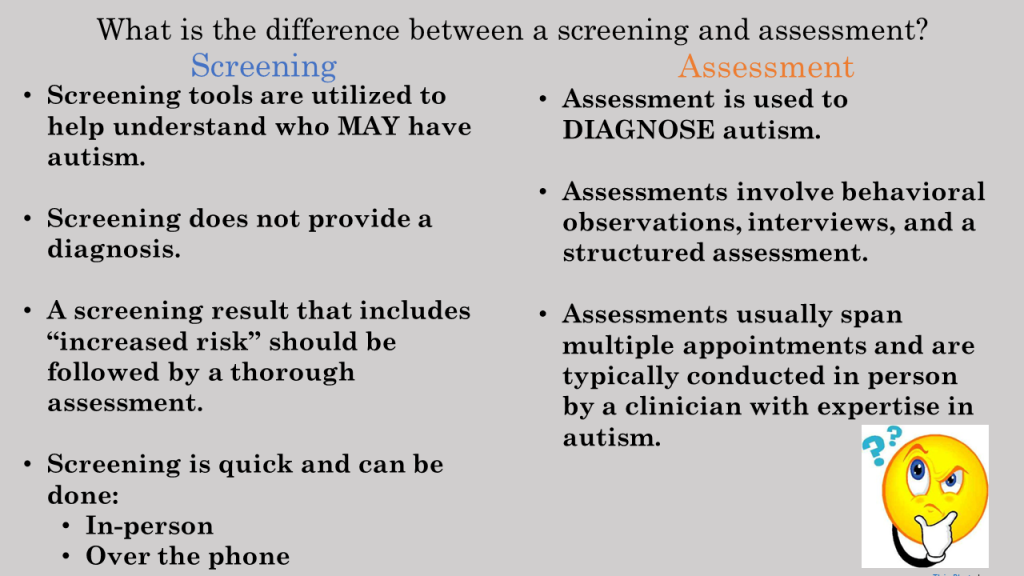
Professional tools, like the Play Observation Scale, can quantify play behavior differences. While you can’t replace a trained evaluator, familiarizing yourself with such scales can guide conversations with pediatricians or therapists.
> “Observation is the first step to understanding the child’s world,” says Dr. Temple Grandin, a leading voice in autism research.
Supporting Play Development
Once you’ve identified potential differences, the next question is: how can you help? The goal is to create a play environment that nurtures growth while respecting the child’s unique style.
Structured vs. Unstructured Play
- Structured play: Guided activities, such as building a tower with specific rules, can help the child practice sequencing and turn‑taking. Unstructured play: Free play allows the child to explore interests at their own pace, fostering creativity and confidence.
A balanced mix often works best. Think of it as seasoning a dish: too much spice (structure) can overwhelm, but a sprinkle adds flavor.
Inclusive Play Environments
- Sensory-friendly spaces: Soft lighting, minimal noise, and textured surfaces can reduce overwhelm. Peer modeling: Pairing the child with a supportive peer can encourage social play. Consistent routines: Predictable play schedules reduce anxiety and promote engagement.
Remember, inclusion isn’t about forcing the child into typical play; it’s about opening doors to meaningful interaction.
When to Seek Professional Guidance
Not every atypical play pattern warrants immediate intervention. However, some red flags suggest it’s time to reach out.
Red Flags to Watch
- No joint attention after 24 months. Avoidance of eye contact during play. Repetitive play lasting longer than 30 minutes without change. Limited use of toys in imaginative contexts.
If you notice one or more of these, consider a developmental evaluation.
The Role of Early Intervention
Early intervention can dramatically alter developmental trajectories. Programs like Early Start Denver Model (ESDM) focus on play-based therapy, improving communication, social skills, and adaptive behaviors. The sooner you start, the more your child can benefit from targeted strategies.
What It Means for Parents (and the Rest of Us)
Have you ever wondered why a child can’t seem to “join the game” with a sibling? Or why they keep arranging blocks in a single, unchanging pattern? These questions are more common than you think. Understanding autism early play behavior differences can turn perplexity into proactive care.
- Observation is empowerment. The more you know, the better you can support. Play is a bridge, not a barrier. Even the most repetitive play can be a stepping stone to richer interactions. Early action yields lasting impact. Small, consistent steps today can lead to significant growth tomorrow.
Take a moment to reflect on your child’s play today. Are there patterns that stand out? If so, reach out to a pediatrician or early intervention specialist. It’s a conversation that could open a world of possibilities for your child—and for you.

By turning curiosity into action, you’re not just observing play; you’re shaping a brighter future.